


Drainage Channels

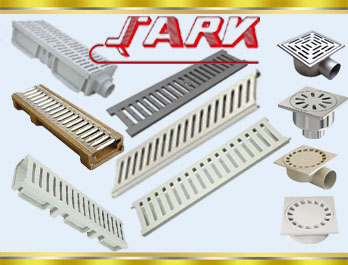
Drainage channels
Conclusion channels are more than just functional infrastructure; they are integral to protecting properties, supporting agriculture, and preserving local ecosystems.
Benefits of Drainage
Properly installed drainage channels offer numerous benefits:
Flood Prevention: Reduces the risk of urban flooding by channeling excess water away from populated areas.
Infrastructure Protection: Prevents water damage to roads, buildings, and other structures.
Environmental Preservation: Mitigates soil erosion and protects local ecosystems.
Agricultural Support: Improves crop productivity by maintaining optimal soil moisture levels.
Choosing the Right Drainage System
Selecting the appropriate drainage channel depends on several factors:
Location: Urban areas may require more extensive systems compared to rural regions.
Water Volume: The anticipated volume of water during rainy seasons influences the

- Description
- Reviews (0)
- Fırça PDF Teknik Tablo
Description
Drainage Channels
Efficient Water Management: The Importance of Drainage
In today’s urban landscapes, drainage channels play a vital role in maintaining the integrity of our environment and infrastructure.
These channels are designed to manage water flow efficiently, preventing flooding, erosion, and other water-related problems that can impact cities and natural ecosystems.
What Are Channels?
Drainage channels are systems created to collect and transport excess rainwater or wastewater.
Commonly found in urban areas, agricultural fields, and industrial zones, they ensure water is redirected away from areas where it could cause damage or disrupt everyday activities.
Understanding Channels: Their Importance and Maintenance
Drainage channels are essential components of urban and rural infrastructure, playing a critical role in water management
systems.
These channels, also known as drains, gutters, or culverts, are designed to direct excess water away from streets, buildings,


Reviews
There are no reviews yet.